General Contractor: Your Preferred Specialist for Home Undertakings
A general contractor plays an essential role in home projects. They oversee various aspects of building work, guaranteeing that all operations proceed without issues. Their expertise in building codes and regulations allows them to handle the complexities of permits and assessments. This professional serves as a vital link between clients and specialized tradespeople. However, many homeowners remain unsure about the full scope of their offerings. Understanding these details can greatly impact the success of any renovation endeavor.
In What Ways Does a General Contractor Function?
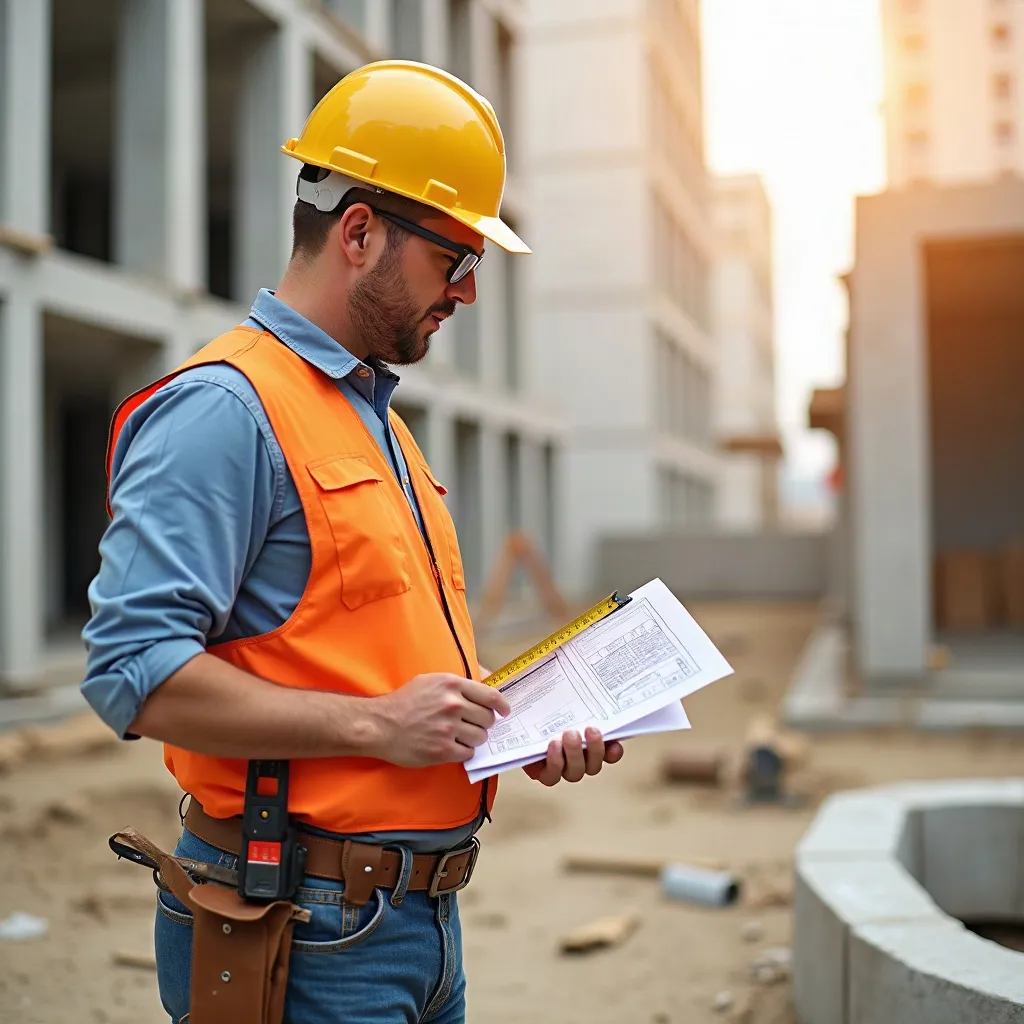
A construction coordinator manages the diverse facets of a construction project, ensuring that all operations flow without issue from start to finish. They serve as the primary point of contact, managing communication between stakeholders, subcontractors, and distributors. This role involves planning the construction calendar, arranging labor, and ensuring compliance with municipal construction standards and ordinances.
General contractors are responsible for acquiring required licenses and arranging inspections, which are essential to upholding safety and quality benchmarks. They also manage budget planning, material procurement, and overseeing site operations to mitigate any potential delays or issues. In addition, they supervise subcontractors, ensuring that each phase of construction conforms to project specifications and timelines. Overall, a general contractor's expertise and organizational skills are essential to delivering a successful construction project, turning a client's vision into reality while balancing multiple tasks and responsibilities.
Hiring a professional builder for residential remodeling offers numerous benefits that can greatly enhance the efficiency and quality of the undertaking. General contractors bring expertise in project management, making sure timelines are met and funds are distributed efficiently. Their strong connections with specialized tradespeople can lead to better pricing and excellent craftsmanship, which ultimately helps property owners both money and time.
Moreover, general contractors oversee the complex aspects of permits and inspections, minimizing potential legal issues. They also offer a unified liaison, simplifying communication and coordination among various trades. This streamlining reduces the likelihood of misunderstandings and delays.
Additionally, their background allows them to identify potential challenges, enabling quick fixes to keep the project on schedule. By bringing on a general contractor, homeowners can concentrate on their vision while enjoying peace of mind, assured that a professional is handling every aspect of the renovation.
Clearing Up Myths Regarding Construction Professionals
While many homeowners may hold false beliefs about general contractors, understanding the truths can lead to more educated decisions. One common myth is that hiring a contractor is unnecessary for small projects; however, their expertise can streamline even minor renovations, ensuring compliance with local codes. Another frequent belief is that contractors are merely middlemen, but they often possess extensive knowledge in multiple areas, enabling them to oversee projects effectively. Additionally, some clients think that working with a contractor will considerably inflate costs. In truth, a skilled general contractor can often secure better rates for materials and labor due to strong relationships with suppliers and subcontractors. Finally, many believe that contractors are rigid, but trusted contractors prioritize client communication and collaborate closely to meet individual needs. Dispelled myths can empower homeowners to leverage the real value of contractors in achieving effective home projects.
How to Choose the Right General Contractor?
How can property owners ensure they choose the right construction professional for their jobs? The process begins with comprehensive investigation. Homeowners should seek suggestions from friends, family, or online reviews to find potential candidates. Once a compilation is compiled, confirming qualifications, such as licensing, bonding, and insurance, is essential to confirm credibility.
Next, homeowners should ask for and examine collections of previous work, concentrating on projects similar in scope. Scheduling meetings allows homeowners to assess fit, covering schedules, costs, and requirements. It's also recommended to obtain multiple quotes for comparison, offering a better grasp of costs.
Reviewing references provides insight into a contractor's reliability and professionalism. Finally, following your intuition is crucial; an opening discussion can uncover a contractor's communication style and approach. By adhering to these guidelines, homeowners can significantly boost their odds of choosing a general contractor who aligns with their objectives and goals.
Powerful Communication Strategies For Working Alongside Your General Contractor
How can homeowners employ approaches to guarantee clear interaction with their general contractor? Initiating transparent communication from the outset is important. Homeowners must clearly express their expectations, project targets, and spending restrictions during first discussions. Frequent updates can be enabled through scheduled discussions, guaranteeing that both parties stay synchronized throughout the project.
Written documentation, including email records and project logs, serves to strengthen spoken understandings and minimizes miscommunications. Homeowners should also encourage open dialogue by requesting feedback and questions from the contractor, creating a cooperative atmosphere.
Moreover, utilizing technology, including project management apps, can improve dialogue by providing a unified system for sharing updates, timelines, and changes. Finally, remaining courteous and accessible can enhance rapport, making it easier for the contractor to communicate challenges or suggestions effectively. By implementing these approaches, homeowners can cultivate a efficient and open relationship with their general contractor.
How to Get Ready When Your Project Gets Started?
As the project starts, homeowners can look forward to a flurry of action on-site. The lead contractor will coordinate teams of skilled tradespeople, along with electricians, plumbers, and carpenters, who will begin their responsibilities per the set schedule. Homeowners may witness heavy machinery and materials being brought in, fostering a bustling feel.
Staying in contact is essential during this phase. The contractor will share information on how things are progressing and resolve any concerns that emerge. Homeowners should ready themselves for potential disturbances, such as loud sounds and restricted passage to particular areas of the home.
Safety measures will be in place to safeguard both workers and residents, ensuring a secure setting. Additionally, homeowners may be encouraged to preserve flexibility, as unexpected problems can arise, requiring adjustments to the original plan. Overall, this initial phase lays the groundwork for the successful completion of the project, and active engagement is essential.
Essential Questions for Your General Contractor Agreement?
Pinpointing the suitable topics to inquire about when settling a general contractor agreement is vital for assuring a frictionless project. Homeowners should inquire about the contractor's license and coverage to establish their credentials and protection against liabilities. Understanding the project timeline and milestones is important; therefore, asking about projected completion dates helps manage expectations.
It is also essential to define financial conditions, encompassing initial payments and installment plans, to sidestep misunderstandings. Residents should obtain a detailed breakdown of costs, encompassing materials and labor, to assure openness. Moreover, talking through the process for dealing with changes or unexpected complications can thwart conflicts in the future.
To wrap up, property owners should look into information about the experience of subcontractors, as well as the communication methods of the contractor throughout the project. By tackling these questions, property relevant article owners can maintain a strong partnership with their primary contractor, ultimately facilitating a successful home project.
Frequently Posed Questions
What Ways Do General Contractors Use to Invoice for Their Services?
Contractors generally collect fees via flat fees, time-based rates, or a share of the complete project budget. Their rates may additionally encompass resources, labor, and running costs, relative to the scope and difficulty of the work.
Can a General Contractor Offer Aid With Permits and Reviews?
Yes, a general contractor can aid in securing permits and conducting inspections oversight. They generally navigate local regulations and maintain regulatory adherence, simplifying the workflow for homeowners while providing necessary approvals throughout the building endeavor.
What Attributes Should I Look for in a General Contractor?
When selecting a building contractor, one should consider professional standing such as appropriate licensing, insurance, track record with matching projects, quality references, and effective communication skills, verifying they possess the necessary expertise to direct the project in a successful manner.
What Duration Should You Expect for a Typical Home Remodeling Venture?
A common home remodeling job can last anywhere from a few weeks to several months, reliant on the breadth, difficulty, and size of the project, as well as the availability of materials and labor.
What Occurs if My Project Overshoots Spending Cap?
Should a project exceed the budget, the builder usually communicates the reasons and options with the property owner. Adjustments may involve scaling back, seeking additional funding, or adjusting the project parameters to conform to financial limits.